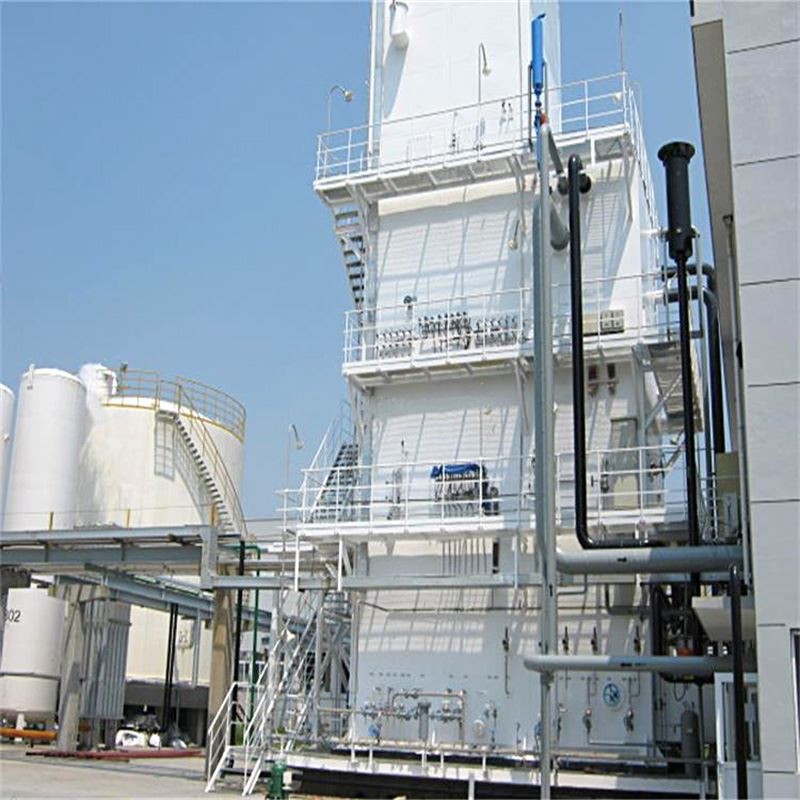
The Automation Level of Cryogenic Nitrogen Generators: A Comprehensive Guide
In the modern industrial landscape, cryogenic nitrogen generators play a pivotal role across various sectors, from food processing to electronics manufacturing. As a leading supplier of cryogenic nitrogen generators, we frequently encounter inquiries regarding the automation level of these sophisticated machines. In this comprehensive guide, we will delve into the intricacies of the automation level of cryogenic nitrogen generators, exploring its core components, key benefits, and how it profoundly impacts industrial operations.
Understanding Cryogenic Nitrogen Generators
Before diving into the automation level, it is essential to understand what a cryogenic nitrogen generator is. These systems utilize the principle of cryogenic distillation to separate nitrogen from ambient air. The air is first compressed, cooled, and then passed through a distillation column. Due to the different boiling points of nitrogen and oxygen, nitrogen can be separated and purified to an exceptionally high degree of purity .
There are different types of cryogenic nitrogen generators available in the market, such as Low Temperature Nitrogen Generation Systems, Cryogenic N2 Plants, and Cryogenic Distillation Nitrogen Generators. Each type is meticulously designed to meet specific industrial requirements in terms of nitrogen purity, flow rate, and overall production capacity.
Components of Automation in Cryogenic Nitrogen Generators
The automation level of a cryogenic nitrogen generator is determined by several key components that work in perfect harmony to ensure efficient, safe, and reliable operation.
Sensor Technology
Sensors act as the eyes and ears of a cryogenic nitrogen generator. They continuously monitor various critical parameters such as temperature, pressure, flow rate, and nitrogen purity. For instance, temperature sensors are strategically placed at critical points within the distillation column to ensure that the cooling process remains within the optimal range. Pressure sensors monitor the pressure in the compressor and the distillation column, preventing over-pressurization and ensuring safe operation. Flow sensors measure the flow rate of air, nitrogen, and other gases, allowing for precise control over the entire production process.
Programmable Logic Controllers (PLCs)
PLCs serve as the brain of the automation system. They receive real-time data from the sensors and execute pre-programmed instructions to control the operation of different components. For example, if the nitrogen purity sensor detects a deviation from the set purity level, the PLC can automatically adjust the flow rate of the feed air or the reflux ratio in the distillation column to correct the issue. PLCs also manage the complex start-up and shut-down sequences of the generator, ensuring a smooth and safe operational lifecycle .
Human-Machine Interface (HMI)
The HMI provides a user-friendly interface for operators to interact seamlessly with the cryogenic nitrogen generator. Through the HMI, operators can monitor real-time data from the sensors, adjust setpoints, and view historical performance trends. It also facilitates remote monitoring and control, enabling operators to manage the generator from a central control room or even from a mobile device. This feature is particularly invaluable for large industrial facilities where multiple generators need to be monitored and controlled simultaneously.
Actuators
Actuators are responsible for carrying out the physical commands issued by the PLCs. They include essential components such as valves, motors, and pumps. For example, control valves are used to precisely regulate the flow of gases and liquids throughout the generator. Electric motors drive the compressors and pumps, and their speed can be dynamically adjusted based on the real-time requirements of the production process. Actuators ensure that the generator can respond quickly and accurately to any changes in operating conditions.
Benefits of High-Level Automation
A cryogenic nitrogen generator equipped with a high level of automation offers numerous compelling benefits to industrial users.
Improved Efficiency
Automation significantly reduces the need for manual intervention in many aspects of the operation. The generator can automatically adjust its parameters based on the real-time demand for nitrogen, thereby optimizing energy consumption and minimizing waste. For example, during periods of low nitrogen demand, the generator can intelligently reduce its production rate, leading to substantial energy cost savings .
Enhanced Safety
Safety is always a top priority in industrial operations. With advanced automation, the generator can detect and respond to potential safety hazards in a timely and effective manner. For instance, if a pressure sensor detects an abnormal increase in pressure, the PLC can immediately shut down the compressor and open safety valves to release the excess pressure. This proactive approach drastically reduces the risk of accidents and protects both the equipment and personnel.
Consistent Product Quality
Automation ensures that the nitrogen produced by the generator consistently meets the specified purity and flow rate requirements. The precise control of the production process by the automation system minimizes variations in product quality. This consistency is absolutely crucial for industries such as electronics manufacturing and pharmaceuticals, where high-quality, ultra-pure nitrogen is essential for the production process.
Reduced Maintenance Requirements
Automated systems can continuously monitor the performance of different components and predict potential failures before they occur. By analyzing the data collected from the sensors, the system can alert operators to perform preventive maintenance tasks before a major breakdown happens. This predictive maintenance approach significantly reduces the downtime of the generator and extends its overall service life.
Impact on Industrial Operations
The automation level of cryogenic nitrogen generators has a profound and transformative impact on industrial operations.
Integration with Industrial Processes
Automated cryogenic nitrogen generators can be easily and seamlessly integrated into existing industrial processes. They can communicate with other equipment and systems within the plant through standard industrial communication protocols, such as Modbus or Profibus. This connectivity allows for seamless coordination between different processes, ultimately improving the overall efficiency and productivity of the industrial facility.
Scalability
As industries grow and their nitrogen requirements inevitably change, automated cryogenic nitrogen generators offer excellent scalability. Additional sensors, actuators, and advanced control algorithms can be easily added to the existing automation system to increase the production capacity or further improve the performance of the generator. This adaptability makes it a highly cost-effective solution for industries that need to respond to changing market demands.
Remote Monitoring and Management
The ability to remotely monitor and control cryogenic nitrogen generators is a true game-changer for industrial operations. It allows for the centralized management of multiple generators distributed across different locations. Operators can access real-time data, diagnose problems, and make necessary adjustments without having to be physically present at the generator site. This capability reduces the need for on-site personnel and significantly improves the response time to any issues that may arise.
Considerations for Choosing an Automated Cryogenic Nitrogen Generator
When selecting an automated cryogenic nitrogen generator, several critical factors should be carefully considered.
Automation Features
Evaluate the specific automation features offered by different generators. Look for advanced features such as real-time monitoring, remote control capabilities, and predictive maintenance algorithms. Consider whether the generator can be easily integrated with your existing industrial control system architecture.
Reliability and Support
Choose a generator from a reputable supplier who offers reliable products and excellent after-sales support. The supplier should have a proven track record in the industry and be fully capable of providing technical assistance and spare parts whenever needed.
Cost-Effectiveness
While a high-level automation system may have a higher upfront cost, it can result in significant cost savings in the long run due to improved energy efficiency, reduced maintenance expenses, and consistent product quality. Always consider the total cost of ownership, including the initial purchase price, ongoing operating costs, and long-term maintenance costs, when making your final decision.
Conclusion
The automation level of a cryogenic nitrogen generator is a crucial factor that directly determines its performance, efficiency, and suitability for demanding industrial applications. As a dedicated supplier, we are fully committed to providing our customers with cryogenic nitrogen generators that feature the latest and most advanced automation technology. Our generators are meticulously designed to offer high-level automation, ensuring improved efficiency, enhanced safety, consistent product quality, and significantly reduced maintenance requirements.
If you are interested in learning more about our state-of-the-art cryogenic nitrogen generators or would like to discuss your specific nitrogen requirements, we invite you to contact us for a detailed consultation. Our team of experts is ready to assist you in choosing the right generator for your industrial needs and to provide you with the best possible solution.
References